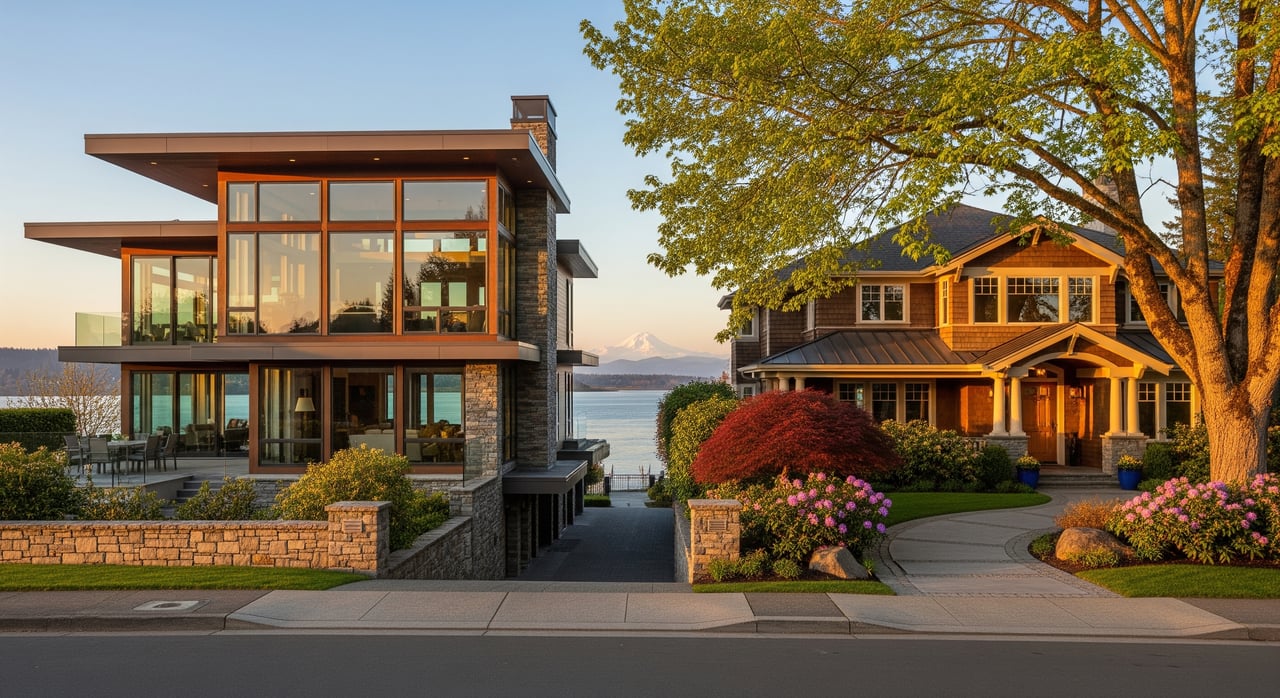
Trying to choose between east and west Vancouver can feel like a coin toss. You want a home that fits your daily routine, a manageable commute, and a neighborhood that feels right from the first walk. This guide breaks down housing patterns, commute options, parks, and everyday conveniences so you can compare the tradeoffs with confidence. You will also get simple steps to test neighborhoods in person before you decide. Let’s dive in.
How we define east and west
Vancouver locals use a few different lines to describe “east” vs “west.” For this guide, we keep it simple and note that these are broad generalizations. Every area includes a mix of neighborhoods.
- West Vancouver: neighborhoods toward Vancouver Lake, Felida, and the north and northwest side of the city.
- East Vancouver: areas closer to downtown and the I‑5 corridor, then east toward Fisher’s Landing and nearby communities.
Here is a simple visual to orient you:
        North
         ^
         |
  West   |   East
 <-------+------->
  Vancouver Lake     Downtown & Waterfront
  Felida area        I‑5 Corridor
                     Fisher’s Landing (farther east near I‑205)
         |
         v
        South (Columbia River)
Housing at a glance
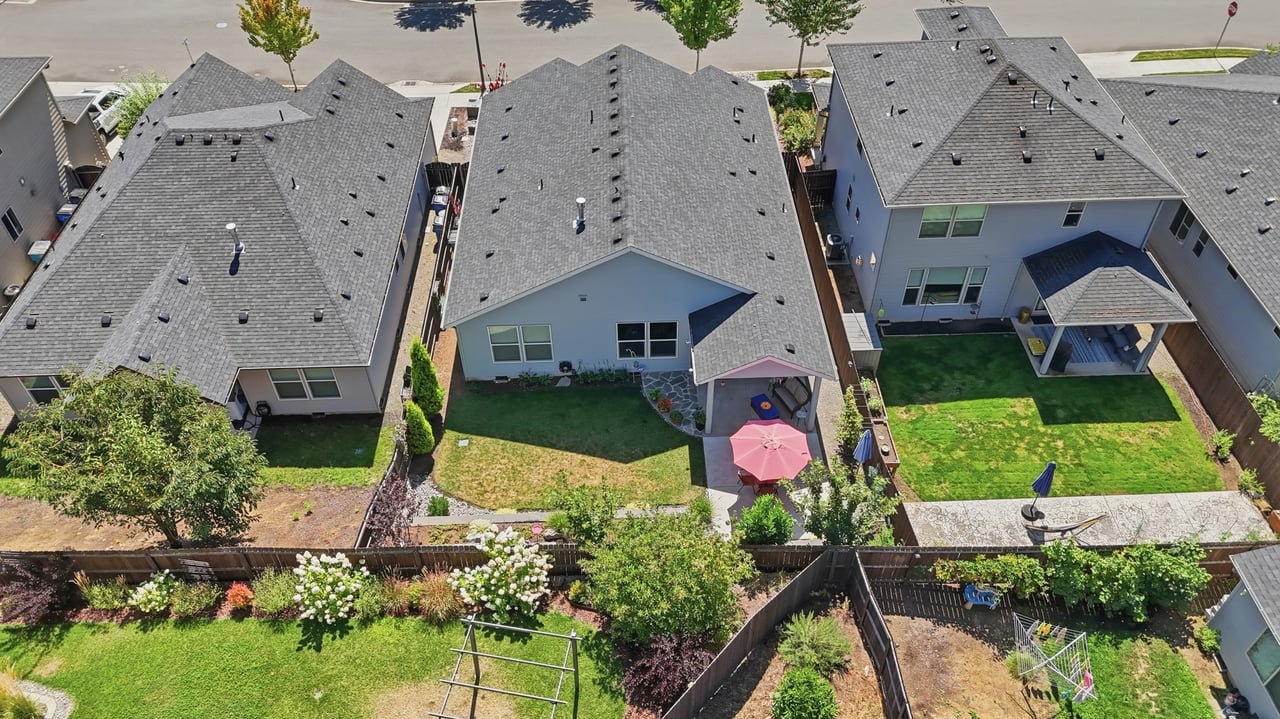
West Vancouver tends to feature a higher share of single-family homes on larger lots. You will see many post-1980s subdivisions and master-planned communities. The pattern is more detached, suburban living with fewer dense multifamily clusters.
East Vancouver offers a wide mix. Closer to downtown and along the I‑5 corridor, you will find older single-family homes with smaller yards and a higher concentration of apartments and condos. Farther east, newer subdivisions exist but often on smaller lots than many west-side developments.
Ownership tends to be higher in suburban subdivisions on both sides. Neighborhoods near downtown and major corridors usually have a larger rental and apartment presence. New construction shows up on the city’s edges in both directions, while infill townhomes and condos concentrate near downtown and transit routes.
Daily routines and amenities
Downtown Vancouver is the region’s cultural and dining core. If you picture evening walks along the waterfront, frequent restaurant nights, and easy access to arts and events, living closer in can be a strong fit.
East and northeast of downtown, the Vancouver Mall area and big-box corridors provide car-friendly access to groceries, major retailers, and services. West-side neighborhoods rely more on a network of suburban plazas for daily needs. You can still reach large shopping centers by car, but you will likely plan your trips.
Healthcare and urgent care options are distributed throughout the city. PeaceHealth Southwest Medical Center and other providers serve the broader region. If proximity to a specific provider matters to you, include that in your neighborhood test drives.
Walkability varies by block. Downtown and some inner neighborhoods support errands on foot. Most suburban areas, east and west, are car dependent. If walkability is a priority, review local walkability maps and take an afternoon to try errands on foot from homes you like.
Commute and transit
Two interstates connect Vancouver to Portland: I‑5 and I‑205. Both see congestion during weekday peaks. Your best route depends on where you work and your schedule.
- If you commute to downtown Portland or other I‑5 destinations, a home with quick access to I‑5 can help.
- If your job sits along I‑205 or you use Oregon’s east-side employment nodes, being closer to I‑205 may reduce drive time.
C‑Tran provides local routes, express commuter service into Portland, and park-and-ride options. Service is most frequent near downtown and major corridors. If transit is part of your plan, compare nearby routes, park-and-ride locations, and schedules from candidate neighborhoods.
A common tradeoff is convenience vs noise. Living closer to a highway or major corridor can shorten commute time but increase traffic sounds and busy street activity. Try your commute during the time you actually travel to get a realistic picture.
Parks and outdoor access
You will find great outdoor options across both sides of the city.
- The downtown waterfront offers parks, paths, and gathering spots with river views and event programming.
- Vancouver Lake Regional Park and shoreline access are popular for boating, sailing, and birding. These are generally easier to reach from west and northwest neighborhoods.
- Salmon Creek Greenway and other creek corridors provide trails and wildlife habitat. These are more accessible from northern and northeastern parts of the city.
- Regional destinations include the Columbia River Gorge, mountain recreation areas, and nearby lakes and parks in surrounding cities.
Neighborhood park styles differ a bit. West-side suburban developments often include neighborhood parks and larger lawns. Inner and east-side areas tend to have smaller community parks and linear greenways, often near schools with shared recreational space.
Two neighborhood snapshots
These vignettes are meant to help you picture daily life. They are not hard borders or value judgments, just common patterns buyers notice.
West: Felida and the Vancouver Lake area
- Housing feel: Predominantly single-family homes, many in newer subdivisions with larger lots. Streets often have a quieter, suburban character.
- Commute rhythm: You will likely drive to highways for work. If you commute into Portland, plan your route and departure time to manage peak traffic on I‑5 or I‑205.
- Shopping and errands: Daily needs are handled at nearby suburban plazas. You may make occasional trips to larger shopping hubs for big errands.
- Parks and play: Easy access to Vancouver Lake for water recreation and to neighborhood parks for day-to-day outdoor time. Weekend outings to regional trails are straightforward by car.
Who it fits: Buyers who want more yard space, a detached-home feel, and access to lake recreation often gravitate here. You trade some walkability for room to spread out.
East: Fisher’s Landing and downtown-adjacent areas
- Housing feel: Close-in areas near downtown mix early and mid-20th-century homes with apartments and condos. Farther east in Fisher’s Landing, you find newer subdivisions, often on smaller lots than many west-side counterparts.
- Commute rhythm: Proximity to I‑5 suits trips to downtown Vancouver or downtown Portland. Near I‑205, you can reach east-side employment centers more directly. Transit options are stronger near major corridors.
- Shopping and errands: Downtown concentrates restaurants, breweries, and culture. East and northeast corridors add grocery, mall services, and big-box retailers for efficient car trips.
- Parks and play: The waterfront paths and parks offer daily walks with a city feel. You will also find greenways and neighborhood parks sprinkled through the east side.
Who it fits: Buyers who value a shorter commute, a mix of housing types, or more nearby dining and culture tend to choose these areas. You may trade lot size for convenience and variety.
Which side fits your priorities
Consider these quick heuristics as a starting point:
- Urban walkers and culture seekers: Closer to downtown gives you higher walkability, more dining, and cultural options. Expect smaller yards and more multifamily choices.
- Families seeking space and newer homes: West or outer east suburbs often deliver larger lots, newer construction, and neighborhood parks.
- Portland commuters: Choose with your bridge and route in mind. Homes near I‑5 suit downtown Portland access. Homes near I‑205 can be better for east-side Oregon employment nodes and park-and-ride options.
- Budget-focused buyers: Older east-side neighborhoods and farther-out suburbs can present more entry points. Inventory changes quickly, so evaluate current listings and trends with up-to-date market data.
How to test a neighborhood in person
Make your own mini study so you can feel confident about your decision.
- Map your commute. Drive your route at your real departure times on both I‑5 and I‑205 if either could work. Note differences in travel time and stress.
- Try daily errands. From a few favorite homes, time a trip to groceries, pharmacy, childcare, or gym. Do it on a weekday evening and a weekend.
- Walk the nearest park. Spend 20 minutes on a trail or at a neighborhood park. Notice noise levels, lighting, and traffic patterns.
- Ride transit once. If buses or park-and-ride are part of your plan, try an express route. Track total door-to-door time.
- Check school boundaries. If school assignment matters for you, review official district maps for the exact address you are considering.
- Visit at different times. Morning, afternoon, and late evening can feel very different. Pay attention to traffic, street parking, and neighborhood activity.
- Review current listings and recent sales. Ask for the latest neighborhood data so you can judge inventory, time on market, and how different home types compare.
Putting it all together
There is no single “best” side of Vancouver. West-side neighborhoods often deliver larger lots and a quieter suburban setting with access to Vancouver Lake. East-side areas offer a wider mix of housing, stronger transit and corridor access, and the city energy of downtown. Your ideal fit comes down to how you live day to day.
If you want a calm, step-by-step way to compare options, you can talk through your must-haves, test a few micro-areas, and use current data to guide your decision. When you are ready, let a local advisor set up a tailored home search and a neighborhood tour that fits your schedule.
Ready to explore? Connect with Anjali Remme to book a consultation. You will get a personalized plan, neighborhood recommendations, and expert negotiation when it is time to write an offer.
FAQs
What is the main difference between east and west Vancouver, WA living?
- West Vancouver leans toward larger-lot, single-family subdivisions with a suburban feel, while east Vancouver offers a wider mix of older homes, multifamily options, and newer subdivisions closer to major corridors.
How do commutes differ between east and west Vancouver for Portland jobs?
- Homes near I‑5 typically suit downtown Portland access, while areas closer to I‑205 can be better for east-side Oregon employment nodes. Peak-hour congestion affects both bridges, so test your route at your real commute time.
Which side of Vancouver is better for walkability and dining?
- Downtown and nearby neighborhoods generally provide the highest walkability and concentration of restaurants, bars, and cultural venues. Most suburban areas on both sides remain car dependent for daily errands.
Where are the best parks and outdoor options near each side?
- West and northwest Vancouver have easier access to Vancouver Lake and neighborhood parks. East and inner areas connect to the waterfront parks and paths, and northern and northeastern parts of the city access greenways like Salmon Creek.
How can I verify school boundaries for a specific address in Vancouver, WA?
- Each address is assigned by district maps that can change over time. Check the official boundary maps for Vancouver Public Schools or Evergreen School District for the most current assignments.