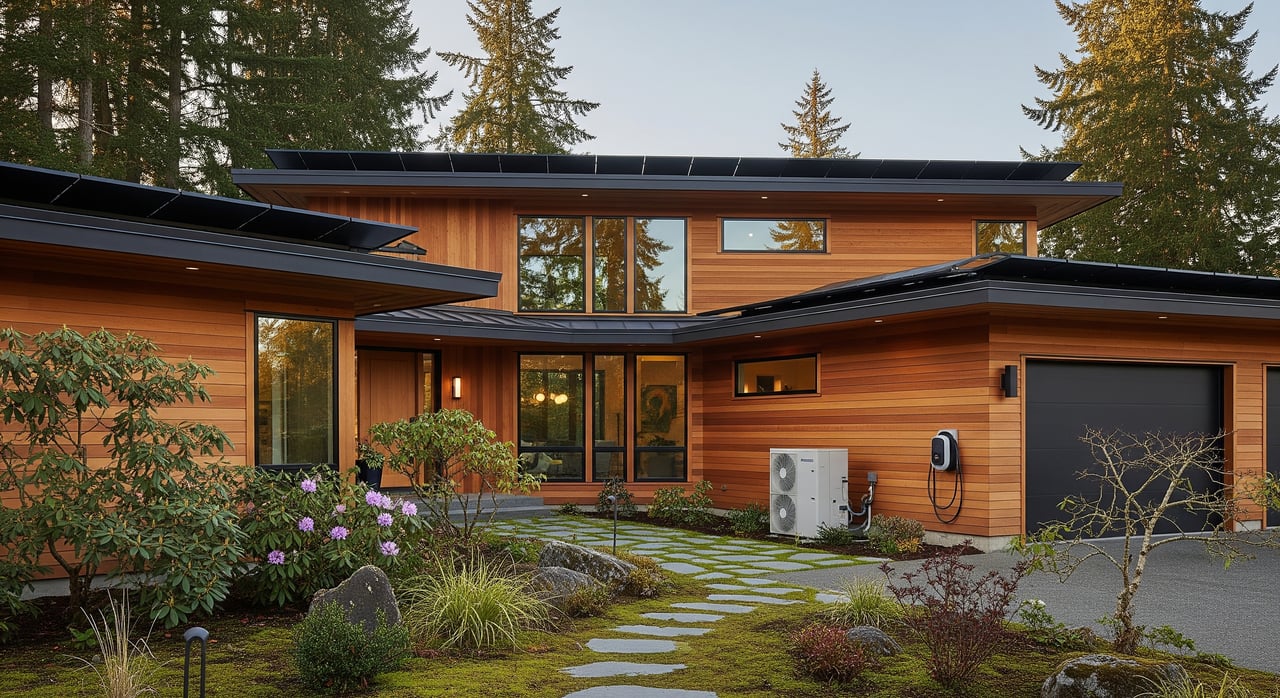
Wondering which energy upgrades actually matter to Camas buyers? You are not alone. With our mild, wet winters and a growing interest in lower monthly bills, smart improvements can make your home more comfortable and more appealing when you sell. In this guide, you will learn which upgrades stand out in Clark County, how to estimate simple ROI, and how to present these features in your listing. Let’s dive in.
Why efficiency matters in Camas
Camas has a marine climate with mild, wet winters and cool summers. Heating typically drives most annual energy use, so upgrades that cut heating costs tend to deliver the best value. Many buyers in the Portland and Vancouver area also prefer homes with lower operating costs and modern, electrified systems.
Features that reduce bills or improve comfort often resonate. Clear documentation, like recent utility bills or product receipts, helps buyers trust what they are seeing and makes it easier for appraisers to consider value.
Top energy-efficient upgrades buyers love
Heat pumps for heating and cooling
- What it is: High-efficiency systems that move heat instead of burning fuel. Options include ductless mini-splits, ducted systems, and cold-climate models.
- Typical installed cost: About $3,000 to $12,000+ depending on size and ductwork.
- Benefits: Significant heating savings versus electric resistance, plus efficient cooling for summer. Proper sizing and a qualified installer are key.
- Payback: Roughly 3 to 12 years depending on your current system, energy prices, and incentives.
Heat pump water heaters (HPWH)
- What it is: Uses heat pump technology to heat water more efficiently than standard electric tanks.
- Typical installed cost: About $1,500 to $4,500.
- Benefits: Often 50%+ lower water-heating energy use compared with electric resistance tanks.
- Payback: Often 3 to 8 years, depending on usage and rebates.
Insulation and air sealing
- What it is: Attic, wall, and crawlspace insulation plus air sealing to reduce drafts and heat loss.
- Typical installed cost: Attic add-ins $1,000 to $5,000; broader retrofits $5,000 to $20,000+.
- Benefits: Often delivers the largest near-term heating performance gains and comfort improvements.
- Payback: About 5 to 15+ years. Start with an energy audit or blower-door test to target the best areas.
Window improvements
- What it is: Replace older units or add storm windows to improve comfort and reduce heat transfer.
- Typical installed cost: $500 to $1,200+ per window; whole-home projects $10,000 to $40,000+.
- Benefits: Better comfort, reduced drafts, quieter interiors, and curb appeal. Energy savings are moderate.
- Payback: Often 10 to 30 years by energy savings alone. Target problem areas first and document U-factor and SHGC.
Smart thermostats and controls
- What it is: Programmable, Wi-Fi connected controls that optimize heating and cooling schedules.
- Typical installed cost: About $100 to $300.
- Benefits: Common savings estimates are about 8 to 12% on heating and cooling energy. Easy, affordable value add.
- Payback: Often 1 to 4 years.
Duct sealing and duct improvements
- What it is: Seals leaks in forced-air ducts to reduce energy loss and improve comfort.
- Typical installed cost: About $300 to $2,500 depending on access and scope.
- Benefits: In leaky systems, losses can reach 10 to 30%. A duct-blaster test verifies results.
- Payback: Often 3 to 7 years when leakage is significant.
LED lighting, appliances, and low-cost measures
- What it is: LED bulbs, high-efficiency appliances, and other quick wins.
- Typical installed cost: Low for bulbs and variable for appliances.
- Benefits: LEDs cut lighting energy use sharply and last longer. ENERGY STAR appliances save more over time.
- Payback: LEDs often under 1 to 2 years; appliances vary but add buyer appeal.
Solar photovoltaic (PV) as an option
- What it is: Rooftop solar offsets electric use and can attract eco-focused buyers.
- Typical installed cost: Varies by size and roof condition.
- Considerations: Net metering and interconnection rules vary. Ownership status matters for resale. Owned systems are simpler for buyers to value.
EV charging capability
- What it is: A Level 2 charging circuit or charger for electric vehicles.
- Typical installed cost: About $500 to $2,500 depending on panel capacity.
- ROI: Not an energy saver, but a standout convenience feature for EV owners.
Incentives and where to check
Programs change often, so confirm current details before you buy or install:
- Your first stop is Clark Public Utilities for residential rebates on heat pumps, heat pump water heaters, insulation, and more. Utilities often provide contractor lists and point-of-sale or post-install rebates.
- Washington State programs, including Department of Commerce and weatherization initiatives, may offer rebates or low-interest loans.
- Federal incentives expanded in recent years for heat pumps, HPWHs, solar, and other measures. Read current IRS guidance or ask a tax professional.
- DSIRE is a reliable place to check state and local incentives.
- Regional partners like NEEA and the Bonneville Power Administration help shape programs and contractor training in the Pacific Northwest.
How to estimate ROI in Camas
Use this simple method to estimate payback and ROI. Verify your actual utility rates and usage for accuracy.
- Establish a baseline. Review the last 12 months of utility bills. Isolate heating, water heating, or whole-home electricity when possible.
- Estimate savings. Use typical savings for the measure. Examples: HPWH about 50% reduction in water heating energy, smart thermostat about 8 to 12% on HVAC energy, insulation varies by scope.
- Apply local energy rates. Use the kWh or therm prices from your bill.
- Calculate annual dollar savings. Baseline cost multiplied by the estimated savings percentage.
- Compute simple payback. Installed cost after rebates divided by annual savings.
- Include incentives. Subtract known rebates or tax credits first, then recalculate payback.
- Note non-energy benefits. Comfort, noise reduction, lower maintenance, and resale appeal matter even if you cannot quantify them.
Example, illustrative only: Replacing electric resistance heat with a whole-house heat pump at an installed cost of about $8,000 after rebates and a baseline heating bill of about $1,800 per year can reduce heating energy about 40 to 60%. That equals about $720 to $1,080 in annual savings and a simple payback of about 7.4 to 11.1 years. With an additional $2,000 rebate, the adjusted cost is about $6,000, and payback becomes about 5.6 to 8.3 years.
How to present upgrades when selling
Make it easy for buyers and appraisers to see the value. Clear paperwork helps support your price and reduces questions during escrow.
Documentation checklist
- Receipts, permits, and contractor information.
- Manufacturer specs and model numbers for heat pumps, HPWHs, windows, and solar equipment.
- Copies of rebates and any transferable warranties.
- Last 12 months of utility bills. Include pre- and post-upgrade data if available.
- Any third-party assessments like a Home Energy Score, HERS report, blower-door test, or an energy audit.
Neutral listing language that works
- “Heat pump (brand and model) installed [year]. Provides heating and cooling and replaced [previous system].”
- “Heat pump water heater installed [year]. ENERGY STAR certified.”
- “Attic insulation upgraded to R-value [value]. Blower-door test performed by [company].”
- “Level 2 EV charging circuit installed and permitted.”
Avoid fixed savings claims unless you have before-and-after bills to verify a specific number.
Staging and showing tips
- Keep mechanical areas clean and accessible. Leave a one-page fact sheet with specs, warranty info, and last service date.
- For smart thermostats, leave setup instructions and confirm account transfer steps.
- For solar, highlight ownership status and provide the last 12 months of production if possible.
Buyer talking points to emphasize
- Lower potential monthly operating costs with supporting documentation.
- Comfort benefits like consistent temperatures and quieter operation.
- No on-site combustion for certain systems, which some buyers prefer.
- Long-term value as the grid gets cleaner and efficient systems perform well in our climate.
Where to start if you plan to list soon
- Schedule an energy audit or at least a blower-door test to prioritize quick wins.
- Gather all upgrade documentation, rebates, and warranties now.
- Check current incentives with Clark Public Utilities and DSIRE before choosing equipment.
- Prioritize fast, high-value steps like LEDs, smart thermostat, duct sealing, and attic insulation top-ups.
- Work with your listing agent to feature energy upgrades and documentation in the marketing package.
If you want tailored guidance on which upgrades will attract Camas buyers and support your price, reach out for a local strategy conversation. You can expect calm, clear advice from start to finish with Anjali Remme.
FAQs
What energy-efficient upgrades make the biggest impact in Camas?
- In our climate, heat pumps for space heating, heat pump water heaters, attic insulation with air sealing, and duct sealing often deliver the strongest mix of comfort and savings.
How do I estimate my savings from a heat pump upgrade?
- Review 12 months of heating costs, apply a typical 40 to 60% savings estimate for heat pumps, use your actual energy rates, and calculate simple payback after incentives.
Are new windows worth it for energy savings alone?
- Window replacements often provide moderate energy savings with longer paybacks. They can still be valuable for comfort, noise reduction, and curb appeal.
Do Camas buyers expect a heat pump?
- Heat pumps are increasingly common and appreciated for lower operating costs and added cooling, but they are not required in every segment of the market.
What documentation should I give buyers for my upgrades?
- Provide receipts, permits, model numbers, rebate and warranty copies, the last 12 months of utility bills, and any third-party energy assessments.
Where can I find current rebates in Clark County?
- Start with Clark Public Utilities for local programs, check Washington State offerings, review DSIRE for a statewide snapshot, and confirm any federal incentives with a tax professional.