Wondering if you can get a quieter pace of life without giving up everyday convenience? Living in Woodland, WA often appeals to buyers who want a small-city feel, access to outdoor recreation, and a location that keeps Vancouver and the I-5 corridor within reach. If you are considering a move, this guide will help you understand what Woodland offers, how daily life feels, and what to know about housing and access before you make a decision. Let’s dive in.
Why Woodland Stands Out
Woodland is a small city with an estimated 6,496 residents in 2024, and it sits about 20 miles north of Vancouver at the junction of I-5 and SR 503, according to U.S. Census QuickFacts and the City of Woodland comprehensive plan. It spans both Cowlitz and Clark counties, which adds to its role as a local hub for the surrounding area.
The city describes Woodland as a place shaped by community values, rural heritage, and a small-town atmosphere. At the same time, its location near larger metro areas and recreation destinations gives you more flexibility than you might expect from a city its size. That blend is a big part of Woodland’s appeal.
Small-Town Feel, Regional Access
If commute access matters to you, Woodland has a practical advantage. The city’s location along I-5 helps connect you to Vancouver, the Portland metro, and other destinations up and down the corridor. Census data also reports a mean travel time to work of 27.1 minutes, which gives helpful context for day-to-day mobility in the area.
Woodland is still very much a car-first community. The city plan notes that the area is not broadly served by a public transit system, and bike routes often rely more on roadway shoulders than dedicated lanes. That said, there is a Woodland Park and Ride at I-5 and SR 503 with service by CAP Transit, which can be a useful option depending on your routine.
A Working Community With Local Role
Woodland is more than a bedroom community. The city’s planning documents frame it as a commercial service center for southern Cowlitz County and northern Clark County, supported by highway, rail, and river access.
The Port of Woodland adds to that identity, with more than 500 acres under jurisdiction, four industrial parks, 23 businesses, and about 300 jobs. For buyers thinking long term, that local economic role can matter because it supports Woodland’s day-to-day function and stability.
What Housing Looks Like in Woodland
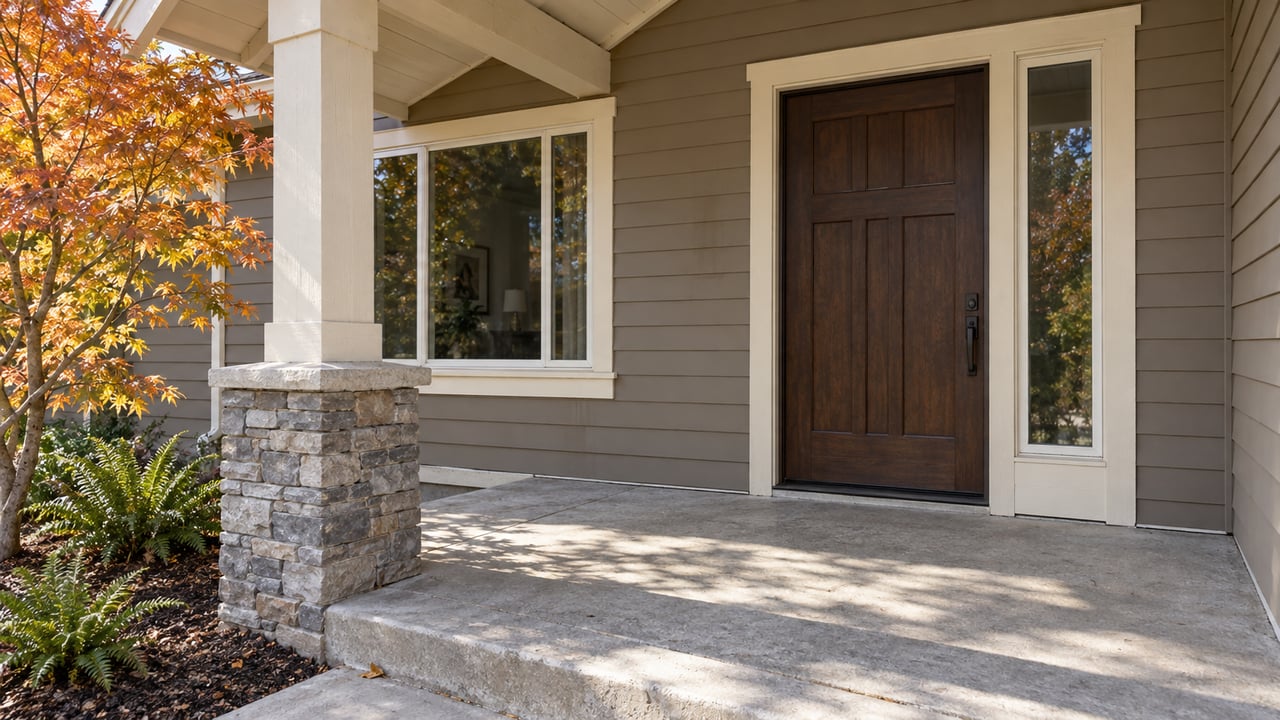
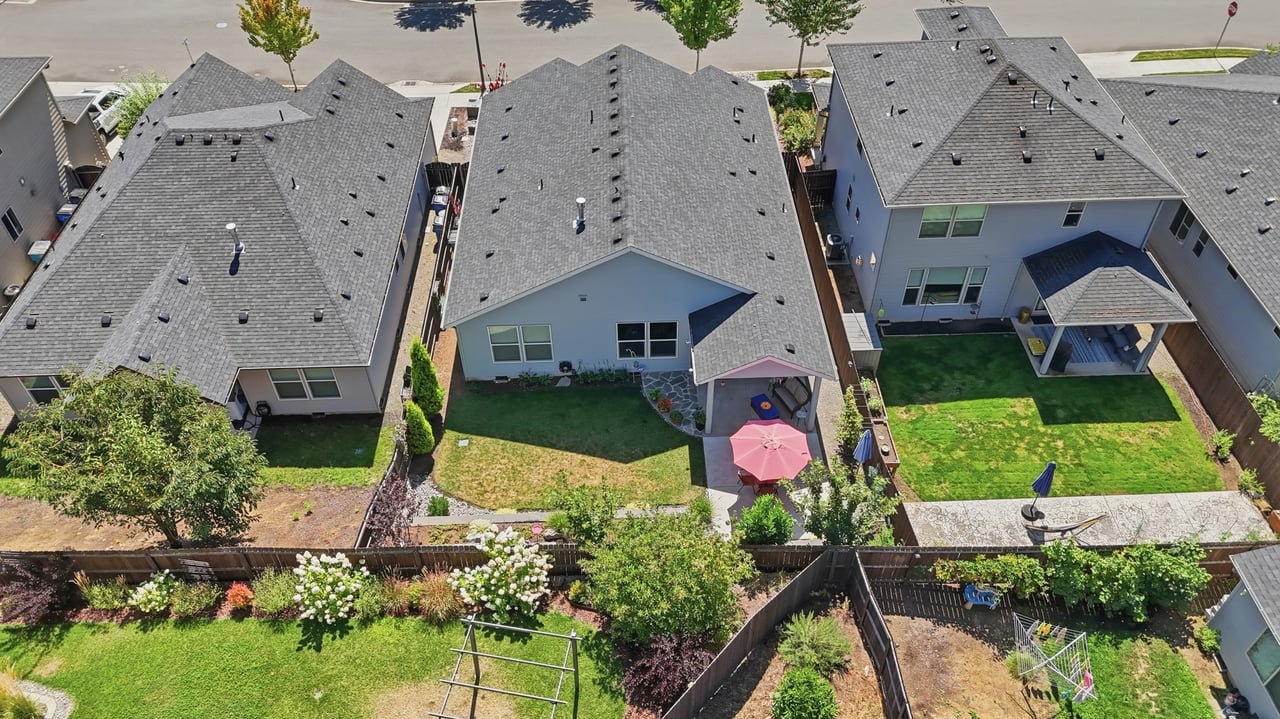
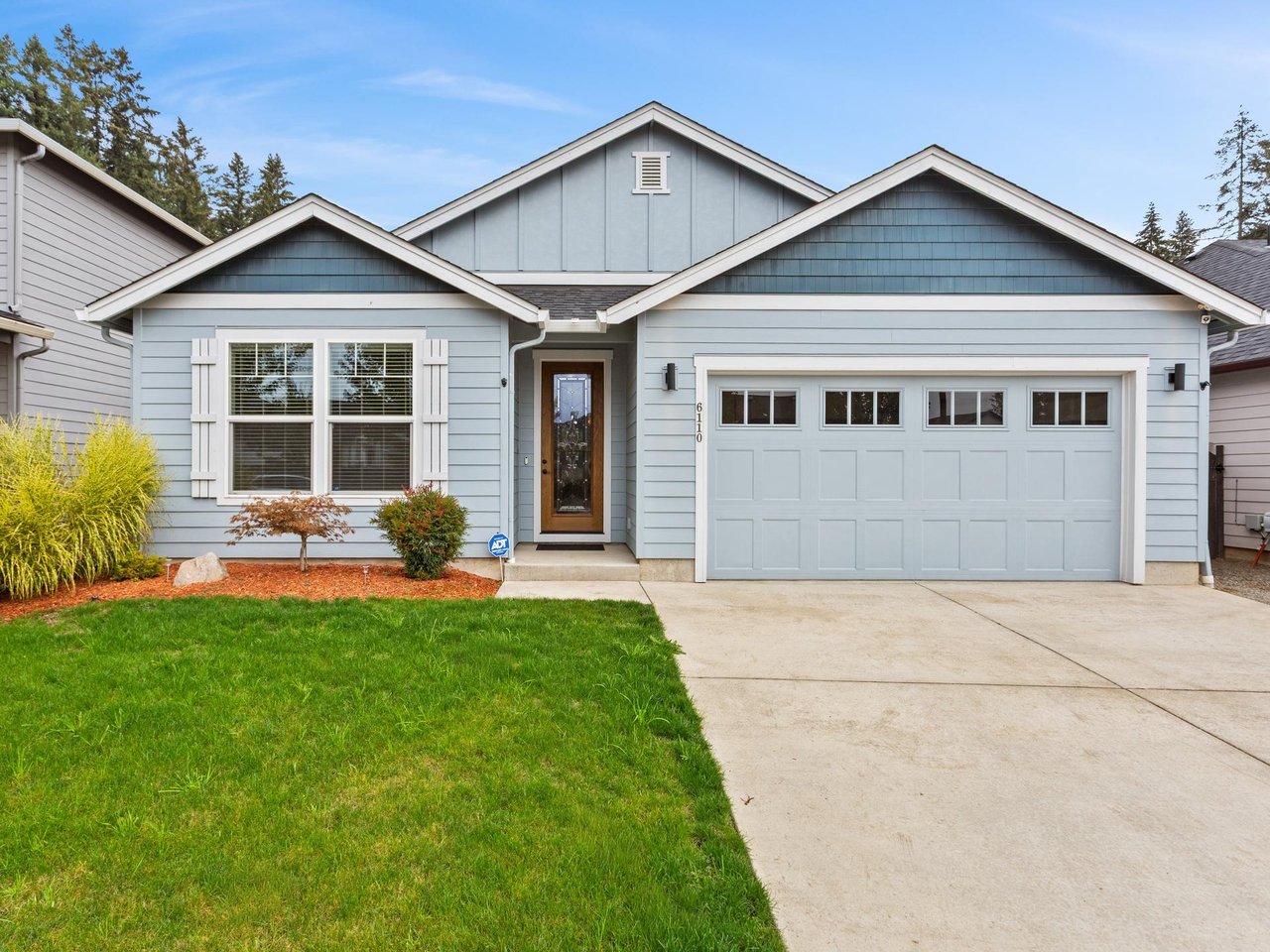
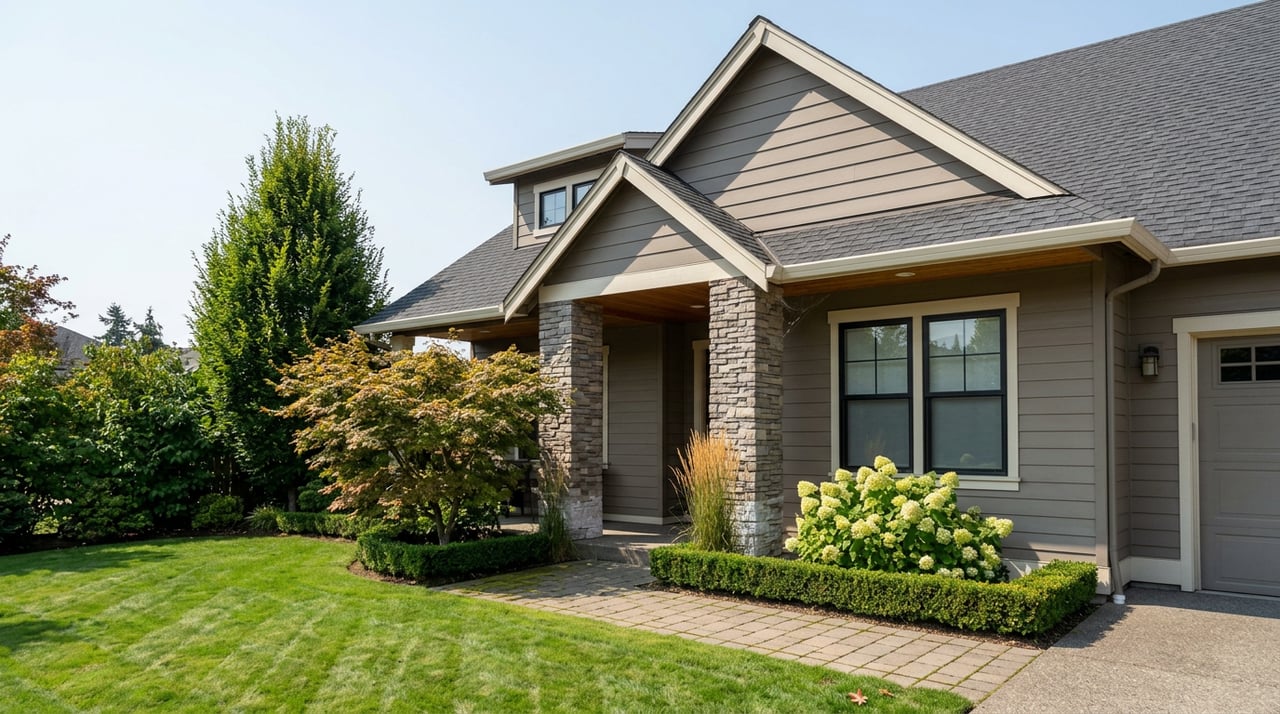
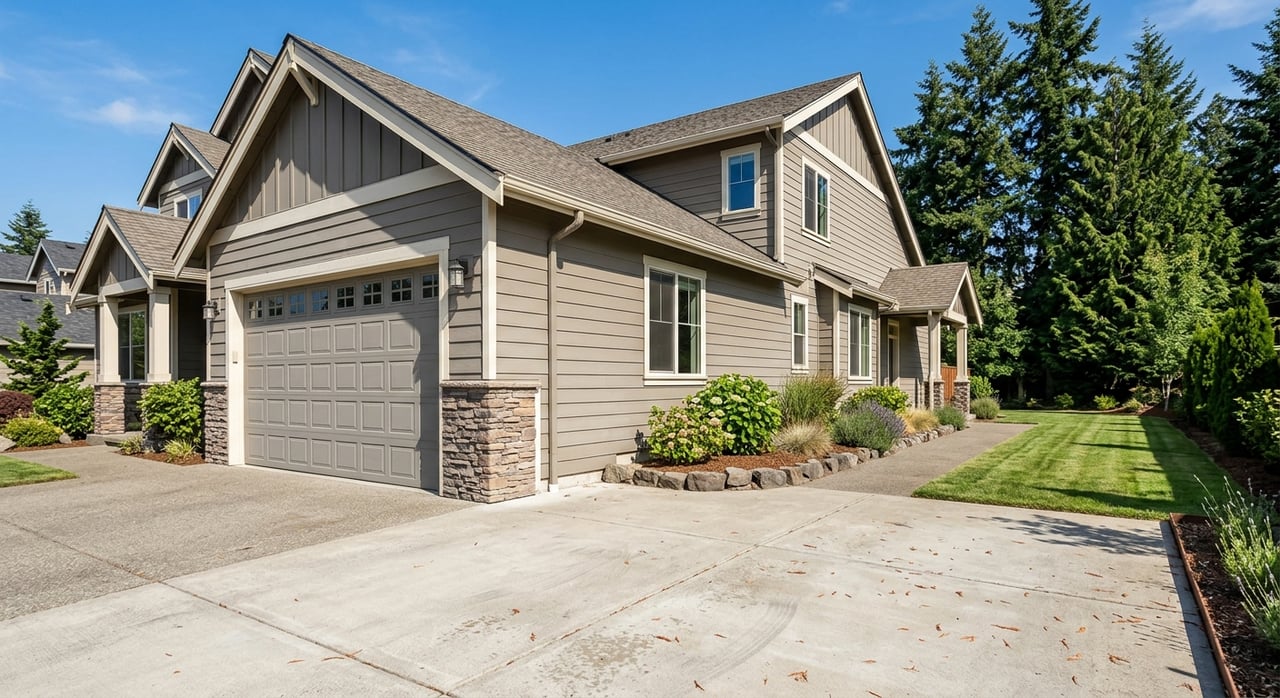
Woodland’s housing stock is a meaningful part of its story. The city reports an estimated 2,685 dwelling units in 2024, with about 69% single-family detached homes, 10% attached dwellings of four units or fewer, and 21% multifamily buildings of five or more units. If you are hoping for a market with a strong single-family presence, Woodland does offer that.
It also has a relatively newer mix of homes. According to the city, about 57% of housing units were built after 1990, while only 5% were built before 1939. That can be appealing if you prefer neighborhoods with more recent construction patterns and potentially newer systems and layouts.
Woodland Housing by the Numbers
A few key stats from Census QuickFacts help round out the picture:
- Owner-occupied housing rate: 56.2%
- Median gross rent: $1,367
- Median owner-occupied home value: $438,800
- Median household income: $81,193
These numbers can give you a starting point, but they do not tell the whole story. Your experience will depend on the type of home you want, your budget, and whether you are looking for in-town convenience, newer residential areas, or a property with a little more space.
Affordability Still Matters
Woodland’s comprehensive plan makes clear that the city is working toward safe, affordable, and diverse housing options while preserving neighborhood character. It also notes that about 30.7% of households are cost-burdened by HUD standards, which means affordability is still a real concern for many residents.
If you are planning a move, this is a good reminder to look beyond just list price. You will want to think about your full monthly payment, commuting costs, and the tradeoffs between location, home size, and condition.
Daily Life in Woodland
For many people, Woodland’s biggest draw is how everyday life can feel grounded and connected. The city’s planning documents describe residents as highly engaged in community events and festivals, which supports that small-town identity in a very practical way.
You can also see that rhythm in the city’s public spaces and gathering places. The Woodland Community Library opened on October 12, 2024, adding another civic resource for residents.
Parks and Community Gathering Spaces
Horseshoe Lake Park is one of Woodland’s most important community spaces. It is the city’s largest developed park and hosts events such as Planter’s Days, the Farmers Market, the annual Fish Derby, and the Easter Egg Hunt.
The amenities make it useful for both everyday recreation and weekend downtime. The park includes:
- A walking path
- Swimming access
- Fishing
- Canoe and kayak access
- Paddleboarding
- Picnic shelters
- A boat launch
- The Rolling Freedom Skate Park
That kind of park access can shape how a place feels to live in. Instead of needing to drive far for outdoor time, you have a central local space built into the community.
A Note on Woodland’s Water Access
Woodland does have a water-oriented identity, but it helps to understand what that means locally. The city’s comprehensive plan notes that the city limits do not extend to the Columbia River shoreline, so Woodland does not function like a traditional downtown waterfront community.
Instead, much of that outdoor and water-connected feel comes through Lewis River access, Horseshoe Lake, and Port of Woodland riverfront lands. The plan also notes that Horseshoe Lake was once part of the Lewis River before being separated in 1940 when the highway that later became I-5 was built.
Weekend Recreation Near Woodland
If you love easy access to the outdoors, Woodland has a strong case to make. The city describes itself as the southern gateway to Mt. St. Helens and the Lewis River recreational areas, which gives you a good sense of its regional position.
For nearby outings, Paradise Point State Park offers camping, a sandy riverfront swimming area, boating, kayaking, paddleboarding, fishing, hiking, and disc golf. It is a convenient option when you want a simple outdoor day without a long drive.
The Lewis River Recreation Area adds even more variety, with a 10-mile recreation corridor known for trail access, waterfall viewing, camping, fishing, and swimming. If your ideal lifestyle includes quick outdoor escapes, Woodland gives you a strong launching point.
Is Woodland a Good Fit for You?
Woodland may be worth a closer look if you want a place that balances small-town comfort with practical regional access. You may appreciate it if you value local events, a strong park system, a largely single-family housing mix, and proximity to outdoor recreation.
It may be especially appealing if you are comfortable with a car-dependent routine and want more breathing room than you might find in a larger city. At the same time, if daily transit access or a dense urban lifestyle is high on your list, Woodland may feel more limited.
The right move always comes down to fit. If you want help comparing Woodland with other communities in the greater Vancouver and Clark County area, Anjali Remme can help you weigh lifestyle, budget, commute patterns, and housing options so you can move forward with clarity.
FAQs
What is it like living in Woodland, WA?
- Living in Woodland, WA generally offers a small-town atmosphere, community events, local parks, and convenient access to I-5, Vancouver, and nearby recreation areas.
Is Woodland, WA good for commuting?
- Woodland can work well for commuters who drive, thanks to its location on I-5 and SR 503, and Census data reports a mean travel time to work of 27.1 minutes.
What kinds of homes are common in Woodland, WA?
- Woodland has a housing mix led by single-family detached homes, which make up about 69% of dwelling units, along with attached housing and multifamily options.
Does Woodland, WA have parks and outdoor recreation?
- Woodland offers access to Horseshoe Lake Park and is close to destinations like Paradise Point State Park and the Lewis River recreation corridor.
Is Woodland, WA on the Columbia River?
- Woodland has a water-oriented feel, but the city limits do not extend to the Columbia River shoreline, so that identity is tied more to Lewis River access, Horseshoe Lake, and Port of Woodland lands.