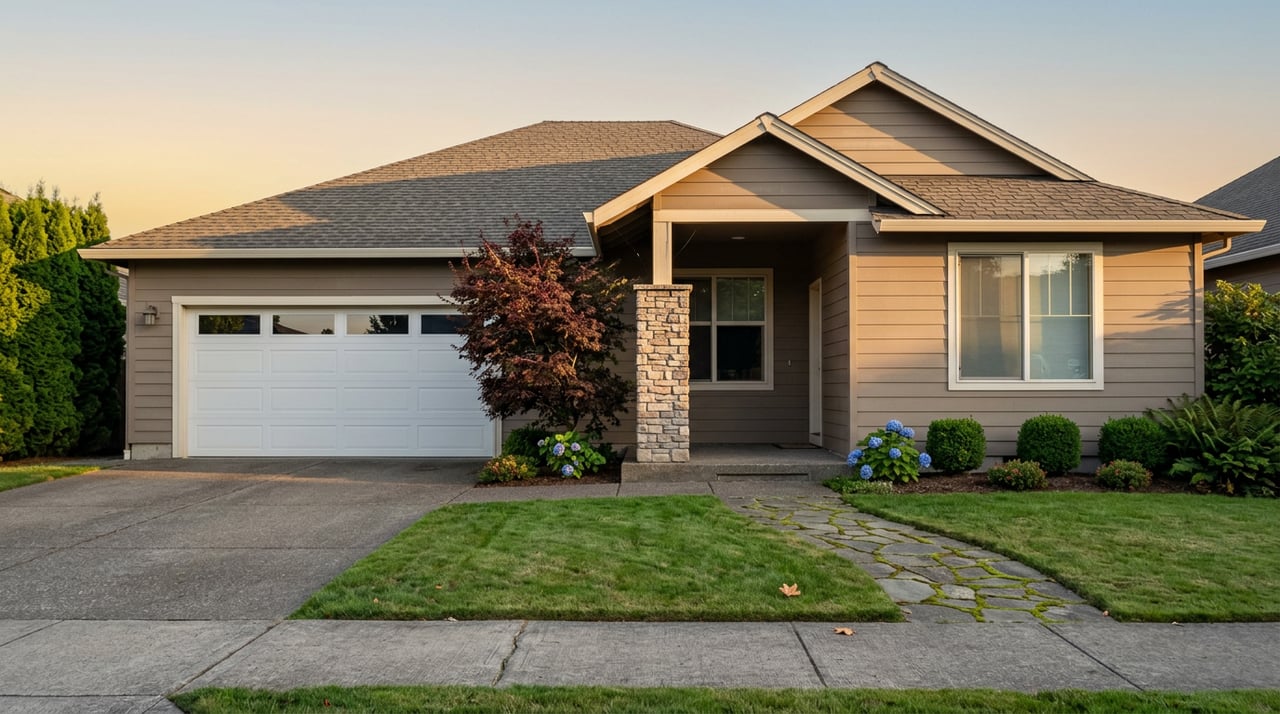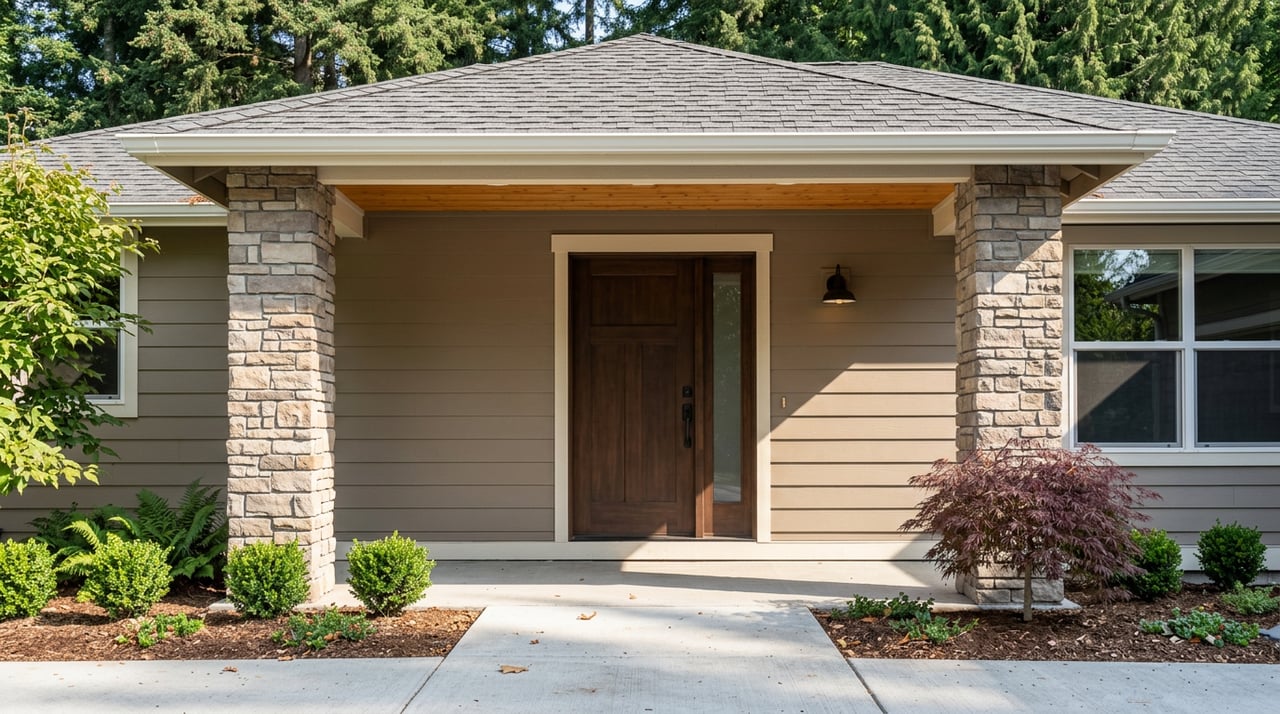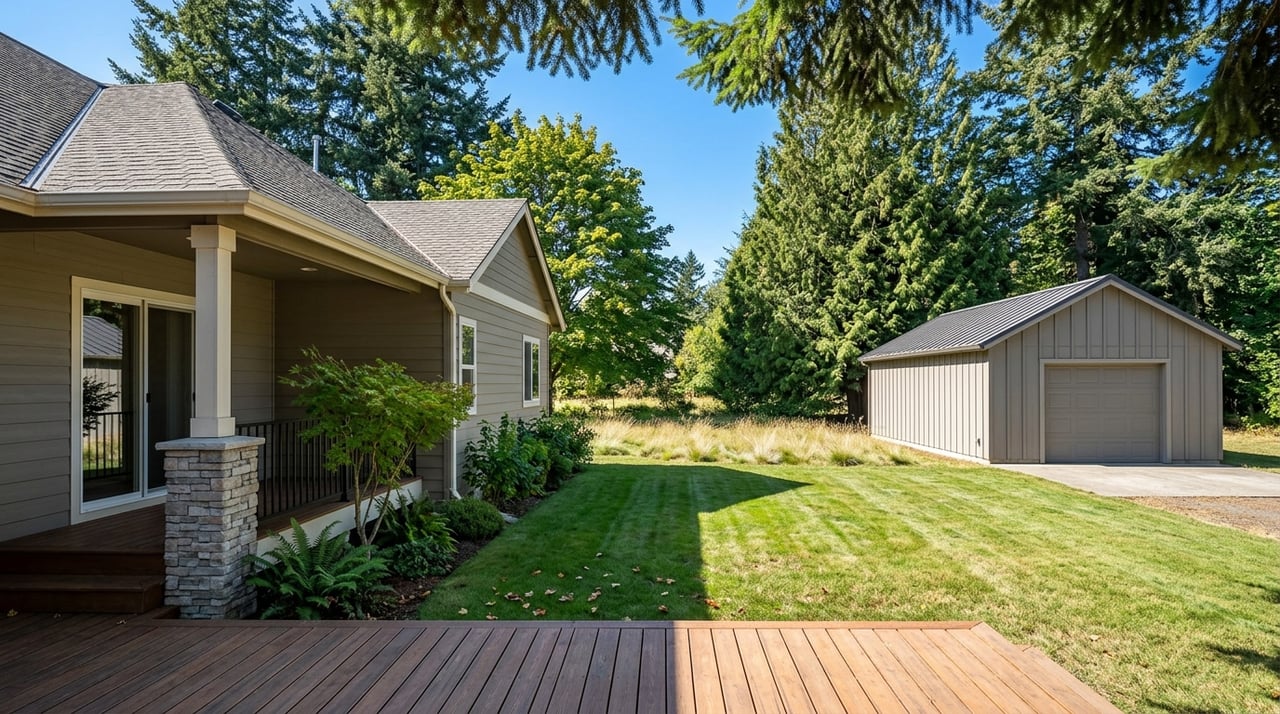
Thinking about trading a standard lot for more space, more privacy, and a little more breathing room? In Woodland, WA, acreage and country homes can offer that lifestyle, but they also come with questions that do not always show up in a typical suburban purchase. If you are considering a home with land in the Woodland area, this guide will help you understand what to look for, what to verify early, and how to make a more confident decision. Let’s dive in.
Why Woodland attracts acreage buyers
Woodland sits about 20 miles north of Vancouver near the junction of Interstate 5 and State Highway 503. That location gives you access to the I-5 corridor while still feeling more semi-rural than many closer-in communities.
The greater Woodland area has a population of more than 10,000 people, according to the city. Near the mouth of the Lewis River Valley, Woodland often appeals to buyers who want land, a country-home setting, or a little more separation from standard subdivision living without giving up regional access.
What counts as acreage in Woodland
In the Woodland area, acreage properties usually function more like a land-and-home purchase than a standard house on a small lot. Cowlitz County distinguishes urban and rural subdivision patterns in a way that helps set expectations.
Urban subdivision lots are less than one acre. Rural subdivision lots are generally more than one acre, and large-lot subdivisions are defined at five acres or more.
That matters because once you move into rural lot sizes, the property often comes with different access, utility, maintenance, and permitting issues. A beautiful home on five acres may offer a very different ownership experience than a similar home on a quarter-acre lot inside city limits.
City limits change the property rules
One of the first things to confirm is whether a property is inside Woodland city limits or in unincorporated county territory. That single detail can affect utilities, permitting, and how you plan for future improvements.
Within city limits, Woodland provides water, sewer, and stormwater services. Outside city limits, especially on acreage parcels, you are much more likely to see private wells and septic systems instead.
Cowlitz County requires water and septic approvals through Environmental Health before building permits are issued. So if you are buying with plans to build, expand, or significantly improve a property, this step matters early.
Utilities matter more on country homes
On acreage, utility questions are not just background details. They can shape financing, inspections, insurance, and your long-term costs of ownership.
Here are a few early questions worth asking:
- Is the home on city water and sewer, or on a private well and septic system?
- If there is a well, when was the water last tested?
- If there is a septic system, when was it last inspected or serviced?
- Are there records for repairs, pumping, or system upgrades?
- Are there any old or abandoned wells on the property?
Washington Department of Health says private well owners should test drinking water every year for coliform bacteria and nitrate. It also notes that buyers or sellers may be asked to provide water-sampling results.
For septic systems, the same practical rule applies: do not assume it works just because the home is occupied. The state notes that septic failures can be expensive, and a malfunctioning system can reduce property value.
Old wells can create surprise costs
Some Woodland-area country properties may have a long ownership history, especially if they were once used more like farmsteads or rural homesteads. That can mean there may be older wells somewhere on the property.
Washington Ecology says an old or abandoned well must be decommissioned by a licensed well driller, not the owner. If a parcel has a current well, a second older well, or unclear records, that is worth reviewing before you close.
Ecology also notes that water is not a property right in Washington. For buyers, that is a reminder to verify actual water access and well status instead of assuming the land automatically comes with flexible water use.
Private roads deserve close attention
One of the biggest differences between suburban homes and rural properties is road access. In Cowlitz County rural subdivisions, private roads are privately owned and maintained.
The county does not build or maintain those roads, and a private maintenance agreement is required. That means you will want to understand who shares the road, how maintenance costs are handled, and whether the road condition could affect year-round access.
When reviewing a property, pay attention to:
- Driveway length
- Gravel or paved surface condition
- Drainage issues
- Shared access arrangements
- Recorded maintenance obligations
These details may not feel exciting during a showing, but they can have a real effect on value, daily use, and future resale.
Floodplain review is especially important in Woodland
Floodplain issues can be a meaningful part of Woodland due diligence. The city says large portions of Woodland are in floodplain, and its planning information notes that floodplain review is mostly east of I-5.
If a property is near the Lewis River or in an area with mapped flood risk, you will want to check that early. FEMA says flood maps can affect lender insurance requirements, so this is not just a planning issue. It can also affect monthly ownership costs.
If the property has river frontage or shoreline exposure, the city’s shoreline review rules may also come into play. This is especially important if you hope to add structures, expand, or make site improvements later.
Zoning and future plans are not the same thing
Acreage buyers often look at a property and think about future options. Maybe you want to add another structure, split the parcel, rebuild a section, or improve the site over time.
In Cowlitz County, those assumptions need to be checked carefully. The county says only a portion of the county is zoned, and development proposals are reviewed for consistency with the Land Use Ordinance and Comprehensive Plan.
That means the parcel’s actual zoning and plan designation matter. Just because a property has a lot of land does not mean it can automatically be divided or developed the way you imagine.
The county also notes that planning clearance is the first step in most permit processes. If flexibility is important to you, reviewing parcel-level rules before you make an offer can save time, money, and frustration.
Market pricing can vary widely
Acreage homes in Woodland are not always easy to price with one simple number. Current market snapshots vary depending on the source and the metric being measured.
Redfin reported a March 2026 median sale price of $519,000. Realtor.com showed a median listing price around $650,000, while Zillow estimated an average home value near $587,730.
These figures are not directly interchangeable because they measure different things, including closed sales, active listings, and estimated values. Still, they point to an important reality in Woodland: parcel size, utility setup, road access, flood exposure, and property condition can all move value significantly.
Financing country homes may take more review
Some buyers looking in rural areas may explore USDA financing. USDA Rural Development’s Single Family Housing Guaranteed Loan Program allows purchase with no down payment for qualifying owner-occupants in eligible rural areas, generally with income capped at 115% of area median income.
This program is intended for a permanent residence, so occupancy matters. USDA also allows address-level eligibility checks, although final property determination comes from USDA.
Even if you use conventional financing instead, acreage homes often receive closer review during underwriting and appraisal. Fannie Mae says the appraisal is used to judge a property’s acceptability for the mortgage loan and its marketability.
In real terms, that can mean lenders pay close attention to items like access, well and septic condition, flood exposure, and the quality of comparable sales. With rural homes, the land systems often matter just as much as the house itself.
Inspections should focus on the right risks
With a country property, the biggest risks are often outside the house. Cosmetic issues matter, but they usually are not the first place to focus.
A smart due diligence plan may include:
- Septic inspection by a county-licensed inspector or O&M provider
- Private well water testing through a certified lab
- Review of any old or abandoned well history
- Flood-map review
- Planning and permit research for future changes
- Road access and maintenance review
This kind of property rewards careful review. It is often better to spend time verifying systems and land-use details than to rush through inspection just because the house itself looks move-in ready.
Negotiation often centers on systems
Negotiation on acreage properties can look different from negotiation on a standard suburban home. Instead of focusing mainly on paint colors, appliances, or smaller cosmetic repairs, the bigger leverage points may involve septic condition, water testing, access issues, or flood-related concerns.
Depending on what inspections and records show, buyers may need to request a repair, a credit, a price adjustment, or extra time for further review. That is one reason it helps to work with an agent who can stay calm, organize the facts, and negotiate around the issues that matter most.
Building the right support team
Acreage purchases usually go more smoothly when you bring in the right people early. The Woodland area often calls for a more specialized team than a typical in-town transaction.
That team may include:
- A buyer’s agent with rural-property experience
- A lender familiar with USDA and conventional rural underwriting
- A county-licensed septic inspector or O&M provider
- A certified private-well water-testing lab
- County planning or building staff for parcel-specific questions
Having the right team does not make a property perfect. It does help you ask better questions and make decisions with clearer information.
Final thoughts on Woodland country homes
Acreage and country homes in Woodland can offer space, flexibility, and a lifestyle that feels different from standard neighborhood living. They can also require more careful review, especially when private wells, septic systems, floodplain issues, road maintenance, or future land-use plans are involved.
If you are considering a Woodland acreage property, the goal is not to be intimidated by the details. It is to understand them early so you can move forward with confidence. If you want calm, clear guidance as you compare properties and navigate the process, Anjali Remme is here to help.
FAQs
What is considered an acreage property in Woodland, WA?
- In the Woodland area, rural subdivision lots are generally more than one acre, and large-lot subdivisions are defined by Cowlitz County as five acres or more.
Do Woodland acreage homes usually have city utilities?
- Not always. Inside Woodland city limits, the city provides water, sewer, and stormwater services. Outside city limits, acreage properties are much more likely to rely on private wells and septic systems.
What should you check before buying a country home in Woodland?
- You should verify whether the property is inside city limits, review well and septic status, check for floodplain issues, confirm road access and maintenance obligations, and research zoning or planning rules if you hope to improve the property later.
Are private roads common on rural properties near Woodland?
- Yes. Cowlitz County says private roads in rural subdivisions are privately owned and maintained, and a private maintenance agreement is required.
Can floodplain rules affect a Woodland acreage purchase?
- Yes. The city says large portions of Woodland are in floodplain, and FEMA flood maps can affect lender insurance requirements and future development decisions.
Is USDA financing an option for Woodland rural homes?
- It can be for qualifying owner-occupants if the property is in an eligible rural area and meets USDA program rules, including use as a permanent residence.