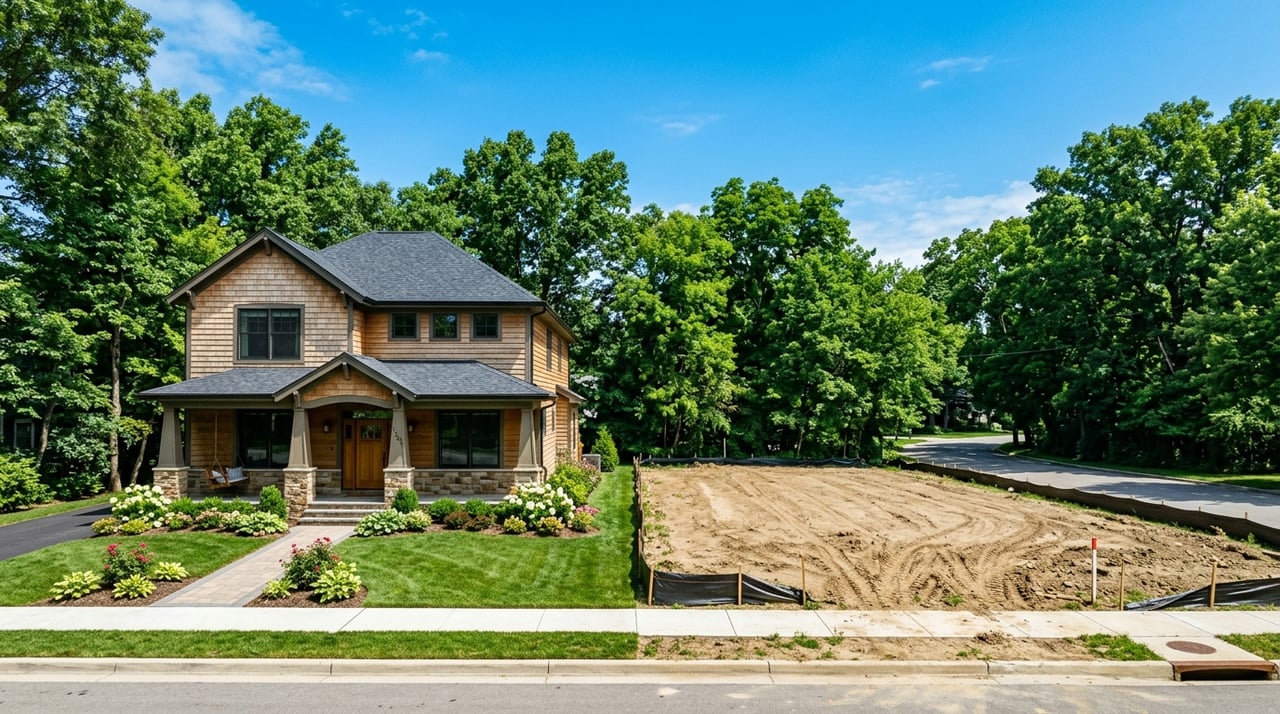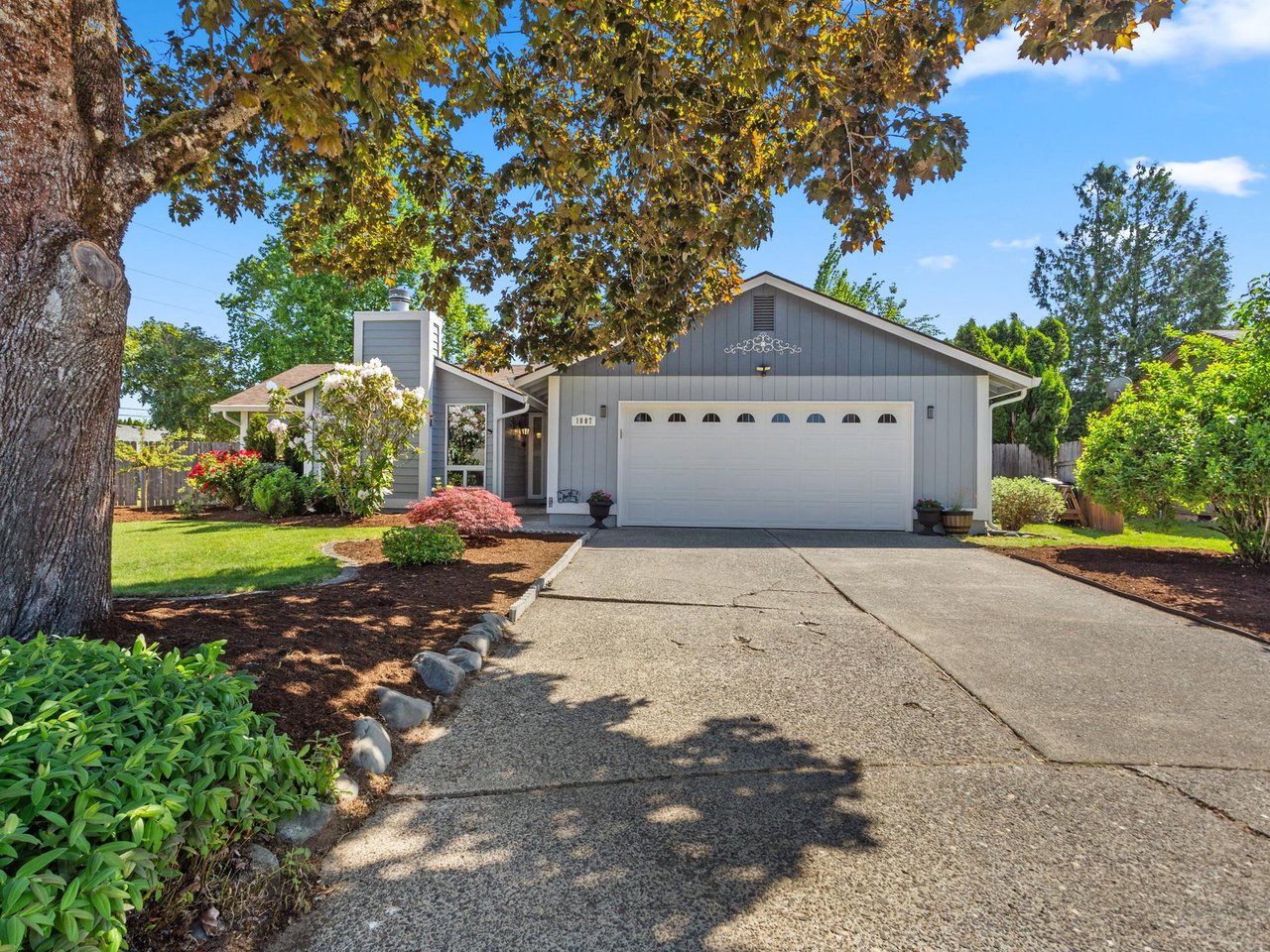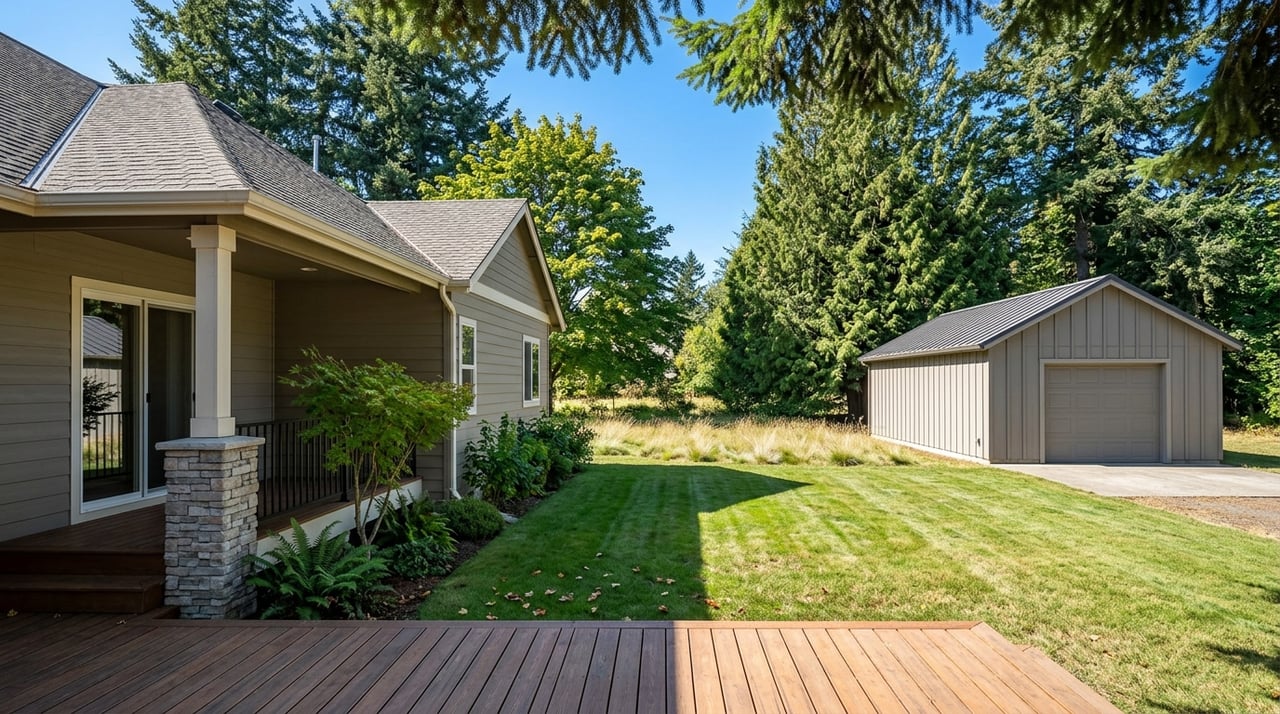
Vancouver, WA continues to attract a surge of home buyers in 2026, fueled by its appealing blend of affordability, tax advantages, and proximity to major Pacific Northwest hubs, making it a top destination in national migration trends. Recent data highlights Vancouver WA as one of the most sought-after cities for relocation, ranking third in moveBuddha's 2026 forecast with an impressive in-to-out migration ratio of 1.57, signaling a strong rebound from post-COVID outflows and nearly twice as many incoming residents as those leaving in recent quarters. This influx is driving a competitive Vancouver WA housing market, where low inventory—averaging just 0.6 months across key sub-areas like West Vancouver and East Vancouver according to the November 2025 RMLS Market Action Report—keeps demand high and properties moving quickly with an average days on market of around 40 for sold homes. With over 1,100 closings in the last six months in these areas alone and average sale prices hovering at $644,000, the market's 99% sales-to-list ratio reflects how newcomers are eager to secure homes in this growing Clark County hotspot, boosting searches for "moving to Vancouver WA" and "Vancouver WA real estate trends."
A significant portion of buyers migrating to Vancouver, WA in 2026 are coming from Seattle, WA, drawn by the stark contrast in housing affordability and lifestyle perks that make the move southward an attractive option for cost-conscious families and professionals. Redfin data from September to November 2025 shows Seattle leading the pack with 3,264 net inflow searches to Vancouver, representing the highest volume of interest from any metro area. Seattle's skyrocketing home prices—often exceeding $800,000 on average—push buyers toward Vancouver's more attainable market, where the RMLS report indicates average sold prices around $643,000 in West Vancouver sub-areas, offering substantial savings without sacrificing access to urban amenities. Additional draws include Vancouver's lower cost of living, reduced traffic congestion compared to Seattle's bustling core, and the ability to commute north if needed, all while enjoying Washington's no state income tax environment that helps stretch budgets further. This migration pattern underscores why Vancouver WA relocation from Seattle is booming, with buyers prioritizing spacious homes in neighborhoods like Felida/Salmon Creek, where inventory remains tight at 0.5 months and pending ratios hit 33.8%, signaling quick turnovers for incoming residents searching for "affordable homes near Seattle."
Buyers from Eugene, OR represent another major inflow to Vancouver, WA in 2026, motivated primarily by tax savings and enhanced job opportunities in the Portland-Vancouver metro area, which appeals to those seeking a fresh start without venturing too far from Oregon roots. According to the same Redfin analysis, Eugene ranks second with 2,275 net inflow searches to Vancouver, highlighting a steady stream of Oregonians crossing state lines. The key driver here is Washington's lack of state income tax, allowing movers to save thousands annually—for instance, someone earning $75,000 could pocket an extra $7,500 compared to Oregon's rates—while still accessing sales tax-free shopping across the Columbia River in Portland. Eugene's higher property taxes and limited economic growth push residents northward, where Vancouver's robust market offers better affordability; East Vancouver sub-areas boast average sold prices of $645,922 with a 98.6% sales-to-list ratio, making it feasible for buyers to upgrade from Eugene's pricier or stagnant options. Proximity plays a role too, as the roughly two-hour drive enables family ties and occasional commutes, fueling searches for "moving from Eugene to Vancouver WA" amid broader trends of Oregonians relocating to Clark County for new developments and a balanced lifestyle.
Overall, these migration trends to Vancouver, WA from cities like Seattle and Eugene are reshaping the local real estate landscape in 2026, with inflows contributing to sustained demand in a market where total active listings average under 70 across sub-areas and pending listings make up about 35% of inventory. For prospective buyers eyeing Vancouver WA home buying, this means preparing for competition by getting pre-approved and partnering with local agents knowledgeable in migration hotspots, while sellers can capitalize on the buzz by pricing strategically to attract out-of-state offers. As national forecasts position Vancouver among the top U.S. cities for moves, driven by affordability and quality-of-life factors, the area's low 0.5-0.6 months of inventory ensures it remains a hot spot for those searching "best places to relocate in Washington state.