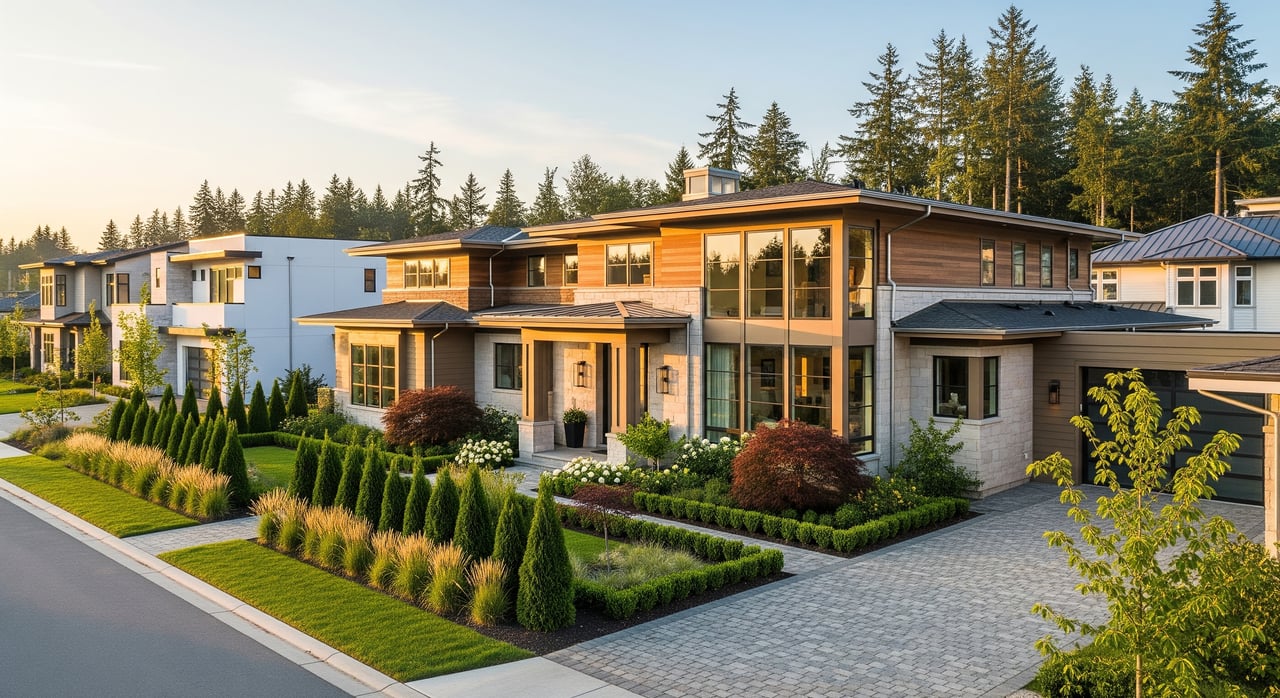
Thinking about building or buying a new home in Ridgefield? You want a clear picture of where the communities are, what a new build really costs, and how long it all takes. This guide breaks down local home types, pricing components, timelines, design-center tips, and the protections that keep your investment safe. Let’s dive in.
Why Ridgefield for new homes
Ridgefield is a small, fast-growing city in the Portland-Vancouver metro with convenient I-5 access and a scenic setting near the Ridgefield National Wildlife Refuge. Ongoing regional demand has fueled new subdivisions and phases over the past decade. You will see a mix of production neighborhoods, village-style communities with parks and trails, and a handful of semi-custom or custom options. The result is a range of sizes and features to fit first-time buyers, growing households, and move-up buyers.
Find active communities
You have several reliable ways to see what is building now and what is coming next.
- MLS and local broker websites are the most accurate for current spec-home inventory and quick-delivery options.
- Regional new-home portals are helpful for exploring plan types and general price bands.
- Builder websites and on-site sales offices list floor plans, base pricing, lot maps, and current incentives.
- City of Ridgefield Planning and Building and the Clark County Building Division provide permit and subdivision context so you can verify approvals and timelines.
- A local real estate agent who focuses on new construction can share up-to-the-minute lot releases, community maps, and example contracts.
Because new-build availability changes quickly, verify current status and pricing with builders and your agent before you schedule tours.
Home types and floor plans
New construction in Ridgefield generally falls into a few categories, each with different tradeoffs.
Production and master-planned communities
These neighborhoods roll out in phases with consistent product lines. Lots often range from small to larger family-sized options. Expect predictable finishes, two-car garages, and community features like parks, trails, and HOAs.
Semi-custom and infill options
Smaller communities and custom-lot settings deliver more plan variety and finish flexibility. These homes often command a higher price per square foot and longer build times, but you get more control over materials and layout.
Popular layouts and sizes
- Entry-level or compact plans: about 1,200 to 1,800 square feet with 2 to 3 bedrooms and 1.5 to 2.5 baths.
- Family-sized production homes: about 1,800 to 3,000 square feet with 3 to 5 bedrooms and 2 to 3.5 baths, often with open kitchens, an upstairs laundry, and a primary suite.
- Larger or semi-custom homes: 3,000 square feet and up, with bonus rooms, dedicated offices, multi-gen options, and expanded outdoor living.
Features buyers love in the PNW
Open-concept living, energy-efficient windows and HVAC, and modern kitchens are common. Many builders include engineered counters and durable vinyl plank flooring in main areas. Smart-home packages, heat pumps, and Energy Star appliances are widely offered as options, so review each builder’s standard features sheet.
What new builds cost
Understanding how pricing works will help you set a realistic budget and compare communities apples to apples.
- Base price: The plan on a standard lot with the builder’s standard finishes.
- Lot premium: Added cost for lot location or size, such as a view, corner lot, cul-de-sac, or larger yard.
- Options and upgrades: Design-center choices like counters, cabinets, flooring, lighting, or structural changes.
- Site costs: Items like grading or utility hookups that may appear as separate line items depending on the builder.
- Closing costs and fees: Title, escrow, recording, impact and utility fees, HOA initiation, and lender charges.
What’s included vs upgrades
- Commonly included: basic cabinets, standard HVAC, standard appliances like a range and microwave, and basic landscaping. A garage door opener may be included.
- Typical upgrades: quartz or slab counters, designer cabinets, premium flooring, upgraded appliances, built-ins, irrigation, fencing, finished basements, and exterior material upgrades.
Lot and plan choices heavily influence final price. A premium lot can add a meaningful amount, and structural options, like an extra bedroom or extended great room, increase both cost and build time.
Financing and incentives
Builders may offer lender incentives or rate buydowns that are tied to preferred lenders or title companies. Custom builds often use construction-to-permanent loans with different fees and qualifications. Some builders accept FHA or VA financing for certain homes, but rules can be stricter for new subdivisions and construction loans. Always compare total costs and conditions, not just headline rates.
As of January 2026, treat any price guidance as a starting point and confirm current numbers with your agent, lender, and the builder. Plan for a cushion to cover upgrades, lot premiums, and closing fees.
Timeline and process
The path from lot selection to closing follows predictable phases, although timing varies with permits, weather, and supply chains.
Lot reservation and contract: Choose a lot, select your plan, and sign the purchase or build agreement. This can happen in days or take a few weeks.
Plan selection and deposit: Lock structural decisions and pay the deposit. Your contract will list allowances, deadlines, and change-order rules.
Permitting and site work: The builder secures permits and begins site prep. Timelines vary with the local permit queue and project complexity.
Construction: From foundation to finishes. Production homes often take about 4 to 8 months after site start, while semi-custom builds can run longer.
Final inspections and closing: After inspections and the certificate of occupancy, you will do a final walk-through, close, and receive keys within days to a few weeks.
Post-close warranty: Many builders include a workmanship warranty, often around one year, and a structural warranty, commonly around 10 years through a third-party program. Keep warranty documents handy and follow claim procedures in writing.
Design center tips
You will likely have one or more appointments to choose finishes once structural choices are set. Knowing how selections and pricing work helps you manage the budget.
- Allowances vs line items: Some builders allocate a dollar amount for categories like counters or appliances. You pay any overage if you choose upgrades above that allowance.
- Selections: Expect to choose flooring, cabinets, countertops, plumbing and lighting fixtures, paint, and sometimes exterior materials.
- Change orders: After selections are finalized, late changes usually trigger added cost and can extend the timeline.
Bring inspiration photos, set a must-have list, and arrive with a realistic upgrade budget. Ask for written descriptions of all included items and allowance amounts before you sign.
Inspections and walkthroughs
Builders usually offer progress walkthroughs, such as a framing review, plus a pre-closing walk-through to create a punch list. Request punch-list timelines in writing. Independent inspections at key stages, like pre-drywall and final, are common and recommended even with new construction. They add objective oversight and can surface items to address under warranty.
Contracts and buyer protection
New construction contracts differ from a standard resale purchase. Understanding what you are signing protects your money and timeline.
- Common contract types: Spec-home purchase agreements for nearly finished homes, lot plus build contracts, and model or home-order contracts that outline included items and change-order rules.
- Key terms to review: Total price and inclusions, allowances and options, change-order policies, delay and termination clauses, warranty coverage and claim process, preferred lender and title requirements, and who pays which closing costs.
- Why buyer representation matters: The on-site agent represents the builder. Your buyer’s agent advocates solely for you, explains contract language, compares lot premiums and upgrade values, negotiates incentives, and coordinates independent inspections. Confirm your representation in writing before sharing financial details.
HOAs, permits, and incentives
Many new communities include HOAs with covenants, conditions and restrictions that govern exterior standards, landscaping, and amenities. Review HOA rules, dues, budgets, and reserves before you commit, since they affect monthly costs and resale.
Check the City of Ridgefield Planning and Building or Clark County Building Division, depending on jurisdiction, to confirm permit status and impact fees for your lot. Ask your agent and lender about utility and energy-efficiency rebates that may be available through local providers, plus any state or federal programs. If you are a first-time buyer, look into Washington and Clark County down payment assistance programs to see if you qualify.
Common pitfalls to avoid
- Underestimating upgrade costs and allowances. Build in a 5 to 10 percent cushion above the base price and lot premium.
- Not getting all inclusions and allowances in writing. Verbal promises are hard to enforce.
- Skipping HOA and site documents. Review the lot map, grading plan, drainage, and any view considerations.
- Misunderstanding financing contingencies or nonrefundable deposits in builder contracts.
- Relying on verbal timelines without written remedies for long delays.
- Proceeding without a buyer’s agent experienced in new construction.
Next steps
If you are ready to explore Ridgefield new construction, start with three steps: define your budget including a cushion for upgrades, list your must-haves and nice-to-haves, and choose a buyer’s agent who works new-build contracts daily. A calm, advocacy-first approach can save you time, reduce stress, and help you capture meaningful incentives. When you are ready, connect with Anjali Remme to book a consultation and map out a plan that fits your timeline and budget.
FAQs
What affects new construction pricing in Ridgefield?
- Base plan, lot premium, options and upgrades, site costs, and closing fees all contribute. Lot location and structural changes often have the biggest impact beyond the base price.
How long does a Ridgefield new build usually take?
- Production homes often take about 4 to 8 months after site start, while semi-custom builds can run longer depending on permits, weather, inspections, and supply chain factors.
What is included in the base price for a Ridgefield new home?
- Builders typically include standard cabinets, standard HVAC, basic appliances like a range and microwave, and basic landscaping. Ask for the included features sheet in writing.
Can I use my own lender for a Ridgefield new build?
- Often yes, but builder incentives may require using a preferred lender or title company. Compare the total cost and terms to decide what is best for you.
Should I get an independent inspection on a new Ridgefield home?
- Yes. Independent inspections at key stages, like pre-drywall and final, are recommended to document issues and support warranty claims.
What should I expect at the design center in Ridgefield?
- You will select finishes like flooring, cabinets, counters, fixtures, and paint. Expect allowances or line-item pricing, and know that late changes usually add cost and time.