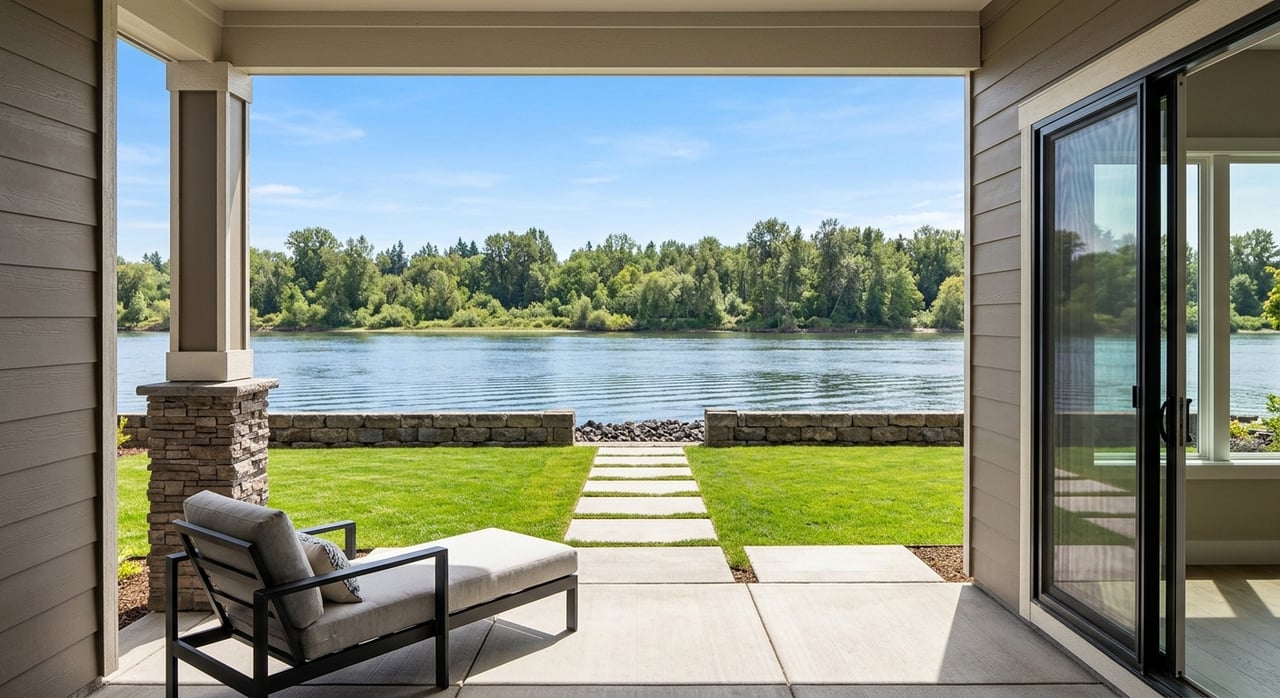
Wondering whether waterfront living in Vancouver, WA feels like a peaceful river retreat or a lively urban neighborhood? The answer is a bit of both. If you are thinking about buying near the river, it helps to understand how the area actually lives day to day, what kinds of homes you will find, and what tradeoffs come with the view. Let’s dive in.
Waterfront living is urban and active
Vancouver’s waterfront is not an isolated shoreline community. It is a mixed-use riverfront district designed to reconnect 35 acres along the Columbia River with the city’s historic core. The long-term plan includes up to 3,300 residential units along with offices, restaurants, retail, a hotel, and park space.
That means daily life here feels connected, walkable, and built around activity. You are living in a newer urban district with river access, not in a quiet stretch of undeveloped waterfront. For many buyers, that is exactly the appeal.
Public spaces shape the lifestyle
One of the biggest draws is how easy it is to enjoy the outdoors without leaving the neighborhood. Waterfront Park spans 7.3 acres and sits alongside housing and commercial development, creating a true live-work-play setting.
The Columbia River Renaissance Trail adds even more to the day-to-day experience. This paved 5-mile route is open year-round and connects downtown Esther Short Park to Wintler Community Park, giving you an easy option for walking, jogging, biking, or rollerblading.
If you picture your ideal routine including a morning walk by the river or an evening stroll after dinner, this area supports that well. Open lawns, seating areas, river access, and the Headwaters Wall water feature all add to the neighborhood’s outdoor rhythm.
Dining and events bring energy
Living on the waterfront also means being close to restaurants, tasting rooms, galleries, boutiques, and local shops. The area is known for waterfront dining and a social atmosphere that draws both residents and visitors.
The district also hosts or overlooks events such as the Waterfront Concert Series and the Christmas Ships Parade. That can make the neighborhood feel festive and vibrant, especially during peak event times.
For some buyers, this energy is a major plus. If you enjoy stepping outside and having activity around you, the waterfront can feel engaging and convenient.
Housing options are more varied than many expect
When people hear “waterfront living,” they sometimes picture only luxury condos or custom homes. In Vancouver, the housing mix is broader than that. The waterfront master plan includes condos, apartments, senior living, and planned affordable apartments that follow income guidelines.
More than 1,500 apartments are already open or under construction. Current and planned residential communities include Rediviva, RiverWest, The Columbia, Broadstone Claro, Broadstone Riva, The Miller, Indigo, Kirkland Tower, and The Springs.
That variety matters because it means the area is not defined by just one type of buyer or resident. You may find options that fit different life stages, from condo living to apartment-style convenience to senior living.
Core waterfront condos sit at the high end
If you are focused on the signature riverfront condos along Waterfront Way, expect premium pricing. Current listings show a 1-bedroom condo at $1.25 million, a 2-bedroom condo at $1.43 million, and a 3-bedroom penthouse at $3.299 million.
Those numbers are well above the broader Vancouver market. By comparison, the citywide median sale price was $489,000, Downtown Vancouver’s median listing price was $509,900, and the Census reports a median owner-occupied home value of $462,400.
This is an important distinction if you are searching online and using the word “waterfront.” In Vancouver, that label can describe a much wider range of homes and locations than the core riverfront district itself.
“Waterfront” can mean different things
A waterfront search does not always point only to the newer Columbia riverfront development. Redfin’s Vancouver waterfront page shows 45 waterfront homes for sale at a median listing price of $500,000, which suggests the term covers a broader set of properties across the area.
So if you are comparing options, it helps to separate core Vancouver Waterfront from other waterfront or water-adjacent properties in the city. The lifestyle, housing type, and price point can be very different depending on the exact location.
This is where local guidance can save you time. A neighborhood that sounds similar in an online search may offer a very different daily experience once you visit in person.
The neighborhood is still evolving
Another thing to know is that Vancouver’s waterfront is still being built out. The master plan shows additional apartment and mixed-use blocks under construction or planned through 2026.
That can be exciting if you like the idea of living in a growing district with new amenities still arriving. It can also mean construction activity, changing street patterns, and a neighborhood feel that continues to develop over time.
For some buyers, buying early in an evolving area feels like an opportunity. Others may prefer a more fully settled neighborhood. Neither choice is right or wrong, but it is worth thinking about before you buy.
Commuting depends on your routine
Lifestyle is not just about the home itself. It is also about how your location works on a regular Tuesday morning. Citywide, Vancouver’s mean travel time to work is 23.2 minutes, but waterfront commuting often ties back to the I-5 bridge corridor.
According to WSDOT, the stretch from the Interstate Bridge to the I-205 interchange is a key commute and economic corridor. Peak periods typically run from 6 to 9 a.m. and 3 to 6 p.m., and severe congestion remains common on many weekday mornings.
If you work in Portland or cross the river often, bridge timing may shape your schedule more than the beauty of the waterfront itself. That does not mean the location is not worth it. It just means your lifestyle fit depends in part on your commute habits.
Transit is an option for some households
C-TRAN operates weekday 105 and 105X I-5 Express service between Vancouver and downtown Portland. WSDOT also notes that the I-5 corridor is served by transit buses and paralleled by Amtrak Cascades.
For some residents, that creates alternatives to driving every day. For others, especially if your work hours or destinations vary, driving may still be the main reality.
Riverfront living comes with practical checks
The lifestyle side of waterfront living is easy to picture. The practical side matters just as much. In Vancouver, floodplain awareness should be part of your home search.
Clark County’s Columbia River guidance notes that above 17 feet, lowland access roads, parking areas, and trails around Vancouver Lake and near downtown Vancouver can flood. Above 30 feet, widespread inundation along the river is expected, and above 34 feet, much of downtown Vancouver can flood.
That does not mean every waterfront property carries the same risk. It does mean you should review flood maps, ask about site-specific access, and understand any insurance considerations before making a decision.
Parking and visitor traffic are part of the experience
The waterfront is designed to attract people, not just residents. The new Waterfront Vancouver Parking Center includes 829 spaces and EV charging, and the district’s dining, trails, and events bring regular visitor activity.
In real life, that can mean a more public atmosphere and more parking management than you would expect in a quiet detached-home neighborhood. If you love lively surroundings, that may feel like a benefit. If you want a lower-traffic setting, it is something to weigh carefully.
Who waterfront living may suit best
Vancouver waterfront living often works well for buyers who want:
- A walkable, urban-style environment
- Easy access to trails, parks, and river views
- Close proximity to dining and local events
- Condo or apartment living instead of a detached home
- A newer neighborhood with ongoing development
It may be a less natural fit if you are looking for:
- A quiet residential area with limited visitor traffic
- More separation from retail and event activity
- A lower price point in the core waterfront district
- A fully built-out neighborhood with little nearby construction
How to evaluate the waterfront clearly
If you are seriously considering a move here, try to look beyond the postcard version of the river view. Visit at different times of day. Walk the trail, check traffic patterns, and notice how the neighborhood feels on both a weekday and a weekend.
You will also want to compare the core waterfront with nearby parts of Downtown Vancouver and other Vancouver neighborhoods that may offer a different balance of price, home style, and convenience. The right fit depends on how you want to live, not just what looks good online.
Waterfront living in Vancouver, WA can be exciting, scenic, and highly convenient, but it is not one-size-fits-all. If you want help sorting through condo options, comparing neighborhoods, or understanding how the waterfront fits your goals, Anjali Remme can help you make a confident, informed move.
FAQs
What is waterfront living like in Vancouver, WA?
- Waterfront living in Vancouver, WA feels more like an active urban riverfront district than a quiet shoreline area, with parks, trails, dining, events, and newer residential buildings.
What types of homes are available at the Vancouver waterfront?
- The Vancouver waterfront includes condos, apartments, senior living, and planned affordable apartments, with the broader waterfront market also including other property types in different locations.
Are Vancouver waterfront condos expensive?
- Core waterfront condos on Waterfront Way are priced at the high end compared with the broader Vancouver market, with recent listings ranging from about $1.25 million to $3.299 million.
Is the Vancouver waterfront still under development?
- Yes, the district is still evolving, with additional apartment and mixed-use blocks under construction or planned through 2026.
What should buyers consider before buying waterfront property in Vancouver?
- Buyers should consider commute patterns, visitor activity, parking, floodplain review, insurance questions, and whether they want a lively mixed-use district or a quieter residential setting.